11
11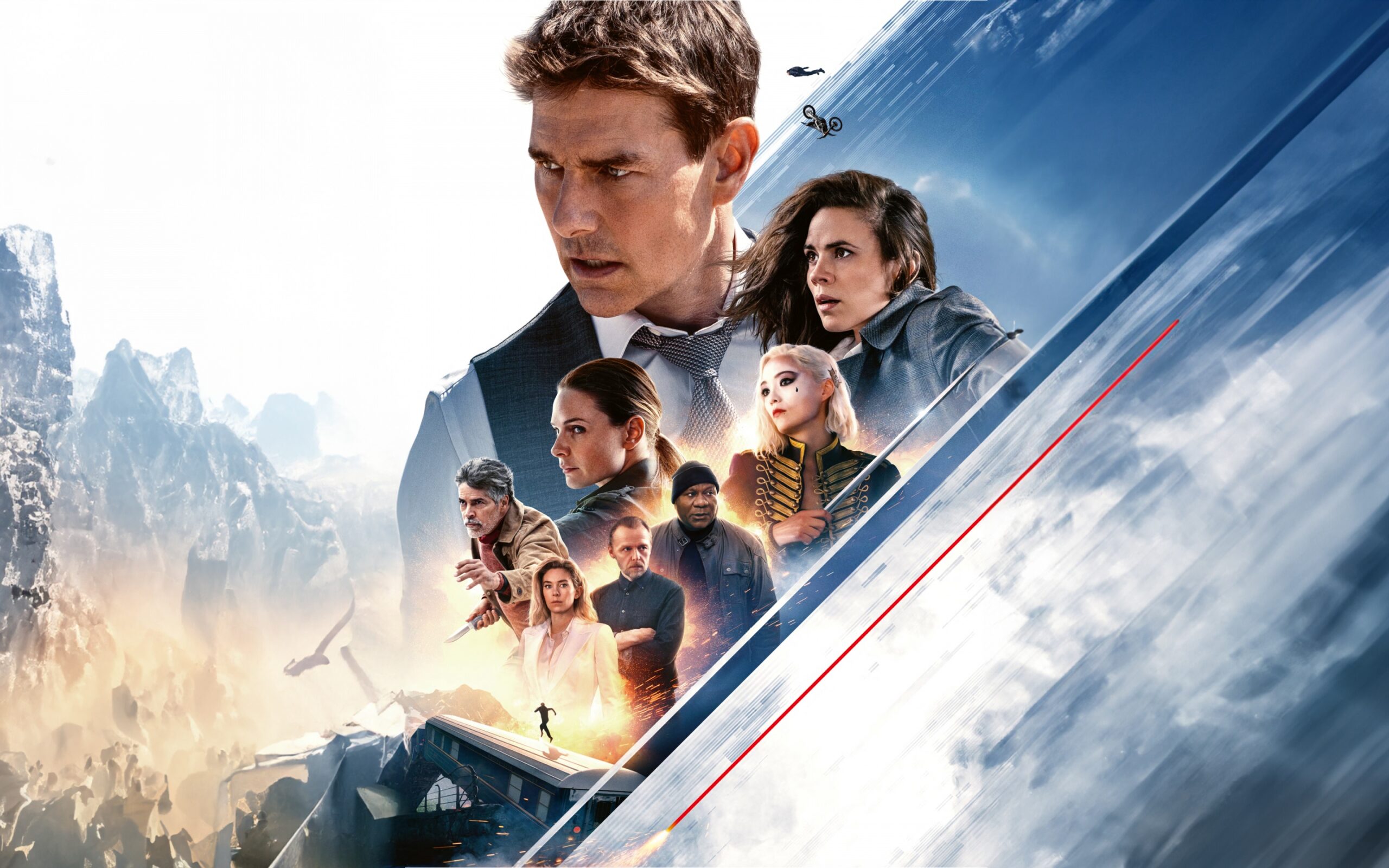
The Mission: Impossible franchise has redefined the modern action thriller for nearly three decades. From daring practical stunts to globe-trotting espionage and morally complex storytelling, the series has continuously raised the bar. Now, with Mission: Impossible – The Final Reckoning, the saga arrives at what feels like a monumental turning point. This film is not just another mission—it is a culmination of everything the franchise has stood for.
In this Mission: Impossible – The Final Reckoning movie review, we dive deep into the film’s story, performances, action set pieces, direction, emotional weight, technical brilliance, and overall impact—without unnecessary spoilers. Whether you are a long-time fan or a newcomer, this review explains why The Final Reckoning stands as one of the most ambitious action films ever made.
Unlike previous installments that focused on standalone missions, Mission: Impossible – The Final Reckoning feels deeply interconnected with the entire franchise. The story builds upon the events and themes introduced earlier—especially the idea that every choice Ethan Hunt has made comes with a cost.
The narrative revolves around a global threat so complex and dangerous that it challenges not only the IMF team’s physical abilities but also their beliefs, loyalty, and morality. Ethan Hunt is no longer just racing against time; he is confronting the consequences of his past missions.
What makes the story compelling is its emotional maturity. The film doesn’t rely solely on action to move forward. Instead, it gives weight to relationships, trust, sacrifice, and legacy. The stakes are personal, global, and philosophical all at once.
This layered storytelling elevates The Final Reckoning beyond a typical action movie and makes it a fitting chapter in the Mission: Impossible saga.
No Mission: Impossible – The Final Reckoning movie review would be complete without praising Tom Cruise. Once again, he proves why Ethan Hunt is one of the most iconic action heroes in cinema history.
Cruise delivers a performance that balances intensity, vulnerability, and determination. Ethan Hunt is no longer invincible; he is human, burdened, and reflective. This depth adds realism to the character and makes his journey more impactful.
Physically, Cruise continues to push the limits of what an actor can do. The film features jaw-dropping stunts that are not only visually stunning but also narratively meaningful. These are not action scenes for spectacle alone—they represent Ethan’s refusal to give up, no matter the cost.
Tom Cruise doesn’t just play Ethan Hunt—he is Ethan Hunt.
The supporting cast in Mission: Impossible – The Final Reckoning plays a crucial role in grounding the film emotionally.
Hayley Atwell’s character continues to be a standout presence. She brings intelligence, unpredictability, and emotional complexity to the story. Her chemistry with Tom Cruise feels natural and adds a fresh dynamic to the franchise.
Ving Rhames as Luther Stickell provides the emotional backbone of the film. His scenes carry weight, history, and loyalty. Long-time fans will appreciate how much respect the film gives to his character.
Simon Pegg balances humor and seriousness beautifully. While he still provides light moments, his character also faces difficult choices that add emotional tension to the narrative.
Even when not always physically present, the impact of Rebecca Ferguson’s character is deeply felt. Her legacy within the team influences decisions and emotions, reinforcing the long-term storytelling of the franchise.
Each character feels purposeful, not wasted—a rarity in large-scale action films.
The Mission: Impossible franchise is famous for redefining action realism, and The Final Reckoning continues that tradition with absolute confidence.
The action scenes are:
From high-altitude sequences to claustrophobic hand-to-hand combat and large-scale set pieces, the film never feels repetitive. Every action moment escalates tension and pushes the plot forward.
What truly stands out is how the action reflects character choices. These are not random explosions; they are consequences. The realism makes the danger feel real, keeping the audience emotionally invested.
Director Christopher McQuarrie once again proves why he is essential to the Mission: Impossible franchise. His direction in The Final Reckoning is confident, controlled, and emotionally resonant.
McQuarrie understands pacing better than most action directors. The film is long, yet it never feels bloated. Quiet character moments are allowed to breathe, making the explosive sequences even more effective.
The visual storytelling is precise. Camera movements, framing, and editing work together to create clarity—even during chaotic action scenes. This is blockbuster filmmaking done with intelligence and respect for the audience.

Visually, Mission: Impossible – The Final Reckoning is stunning. The cinematography captures:
Each location feels distinct, adding texture and realism to the world. The film avoids over-stylization, opting instead for a grounded, immersive visual tone that enhances tension.
Lighting and color grading reflect the emotional mood of scenes—cool and sterile during moments of control, warm and chaotic during moments of emotional conflict.
The sound design in The Final Reckoning is sharp and immersive. Every footstep, engine roar, and explosion feels precise and impactful.
The iconic Mission: Impossible theme returns in powerful variations. The score blends nostalgia with innovation, reminding viewers of the franchise’s legacy while pushing it forward.
Music is used strategically—not overpowering emotional scenes but amplifying tension when needed. This careful balance enhances the viewing experience significantly.
One of the strongest aspects of this Mission: Impossible – The Final Reckoning movie review is how the film explores deeper themes.
The film repeatedly asks: How much is one life worth when the world is at stake? Ethan Hunt’s defining trait—saving everyone—is tested like never before.
Every mission comes down to choice. The story emphasizes that even heroes must live with the outcomes of their decisions.
This film reflects on the legacy of the IMF, Ethan Hunt, and the franchise itself. It honors the past while questioning the future.
These themes elevate the film beyond entertainment into meaningful storytelling.
Unlike many action movies, Mission: Impossible – The Final Reckoning leaves a lasting emotional impression.
The film respects the audience’s emotional investment built over years. Long-time fans will feel the weight of history in every interaction, glance, and decision.
There are moments of tension, loss, hope, and reflection that resonate deeply. This emotional depth is what truly sets the film apart from typical blockbuster fare.
With a lengthy runtime, the film could have felt overwhelming—but it doesn’t. The pacing is deliberate and effective.
Each act serves a purpose:
The film earns its length by delivering substance, not filler.
To conclude this Mission: Impossible – The Final Reckoning movie review, the film stands as a remarkable achievement in action cinema. It combines breathtaking stunts, emotional storytelling, strong performances, and intelligent direction into a cohesive and satisfying experience.
Pros:
Cons:
Mission: Impossible – The Final Reckoning is not just another sequel—it is a statement. A bold, emotional, and unforgettable chapter that honors the past while delivering one of the most compelling action films of its generation.